How to Build Your Case Against Veterinary Negligence
Veterinary negligence can have devastating consequences for pets and their owners. When you trust a veterinarian with your beloved animal's health, you expect them to provide a standard of care that is both competent and compassionate. Unfortunately, this is not always the case. If you suspect that your pet has suffered due to veterinary negligence, it’s crucial to understand how to build a strong case. This guide will walk you through the steps necessary to advocate for your pet and seek justice.
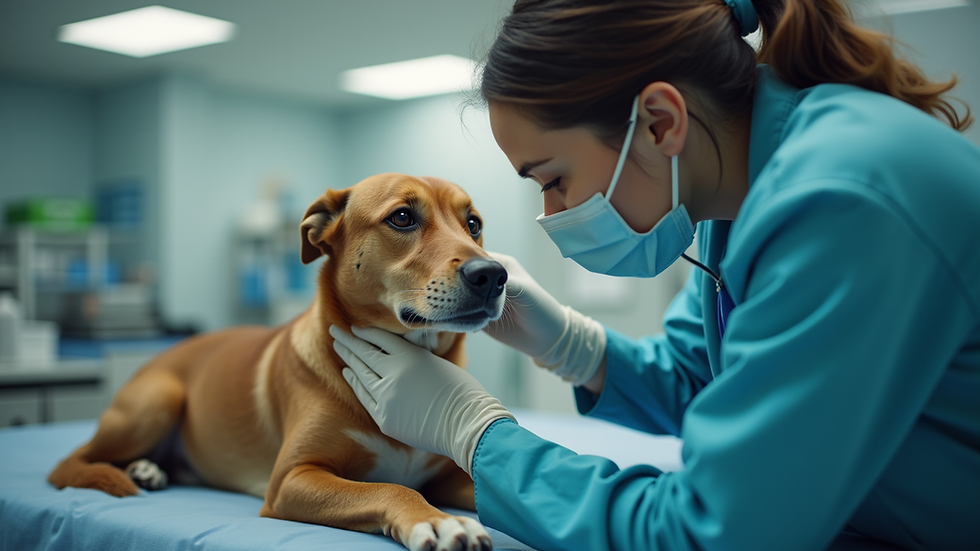
Understanding Veterinary Negligence
Veterinary negligence occurs when a veterinarian fails to provide the standard of care that a reasonable veterinarian would provide under similar circumstances. This can include:
Misdiagnosis: Incorrectly diagnosing a condition, leading to inappropriate treatment.
Delayed Treatment: Failing to provide timely care for a condition that worsens as a result.
Surgical Errors: Mistakes made during surgery, such as leaving instruments inside the animal.
Medication Errors: Prescribing the wrong medication or incorrect dosages.
To establish a case of veterinary negligence, you must demonstrate that the veterinarian's actions fell below the accepted standard of care and that this directly resulted in harm to your pet.
Gathering Evidence
Building a strong case requires thorough documentation and evidence. Here are the steps to take:
1. Obtain Medical Records
Request a copy of your pet's medical records from the veterinary clinic. These records should include:
Examination notes
Test results
Treatment plans
Medication prescriptions
These documents are essential for establishing what care was provided and whether it met the standard expected in veterinary practice.
2. Document Your Pet's Condition
Keep a detailed record of your pet's symptoms and any changes in their behavior or health. Take photographs if applicable. This documentation can help illustrate the impact of the alleged negligence.
3. Seek a Second Opinion
Consult another veterinarian to evaluate your pet's condition and the care they received. A second opinion can provide valuable insight into whether the original veterinarian's actions were negligent.
4. Collect Witness Statements
If anyone witnessed the treatment or has knowledge of your pet's condition, ask them to provide a written statement. This could include friends, family, or even staff members from the veterinary clinic.
Understanding the Legal Process
Once you have gathered sufficient evidence, it’s time to understand the legal process involved in pursuing a veterinary negligence claim.
1. Consult with a Legal Professional
Engaging a lawyer who specializes in veterinary malpractice can provide you with the guidance needed to navigate the legal landscape. They can help you understand your rights and the potential for a successful claim.
2. Determine the Statute of Limitations
Each state has a statute of limitations that dictates how long you have to file a claim. It’s crucial to be aware of these timelines to ensure your case is filed on time.
3. Prepare for Possible Mediation or Trial
Many veterinary negligence cases are resolved through mediation, where both parties negotiate a settlement. If mediation fails, your case may go to trial. Be prepared for both scenarios.
Building Your Case
When presenting your case, focus on the following key elements:
1. Establishing Duty of Care
You must demonstrate that the veterinarian had a duty to provide care to your pet. This is typically established through the veterinarian-client relationship.
2. Proving Breach of Duty
You need to show that the veterinarian failed to meet the standard of care expected in their profession. This often requires expert testimony from another veterinarian.
3. Demonstrating Causation
It’s essential to prove that the veterinarian's negligence directly caused harm to your pet. This can be challenging, as it requires a clear link between the negligent act and the injury or illness.
4. Showing Damages
Finally, you must demonstrate the damages incurred as a result of the negligence. This can include:
Veterinary bills for corrective treatment
Costs associated with your pet's suffering
Emotional distress experienced by you and your family
Common Challenges in Veterinary Negligence Cases
While pursuing a veterinary negligence claim, you may encounter several challenges:
1. Difficulty in Proving Negligence
Veterinary medicine is complex, and proving negligence can be difficult. You may need expert witnesses to testify about the standard of care and how it was breached.
2. Emotional Factors
The emotional bond between pets and their owners can complicate cases. Jurors may sympathize with the pet owner, but it’s essential to focus on the factual evidence rather than emotional appeals.
3. Financial Considerations
Legal fees can add up quickly, and pursuing a case may require a financial investment. Discuss payment options with your attorney to ensure you can afford the process.
Conclusion
Building a case against veterinary negligence is a challenging but necessary process for ensuring accountability and justice for your pet. By gathering evidence, understanding the legal process, and consulting with professionals, you can advocate effectively for your beloved animal. Remember, your pet deserves the best care possible, and taking action against negligence is a crucial step in protecting their well-being.
If you suspect veterinary negligence, take the first step today by documenting your pet's condition and seeking legal advice. Your actions could make a significant difference not only for your pet but for others who may face similar situations in the future.

Comments